CASE Muhos – Solar Panels on the Wall
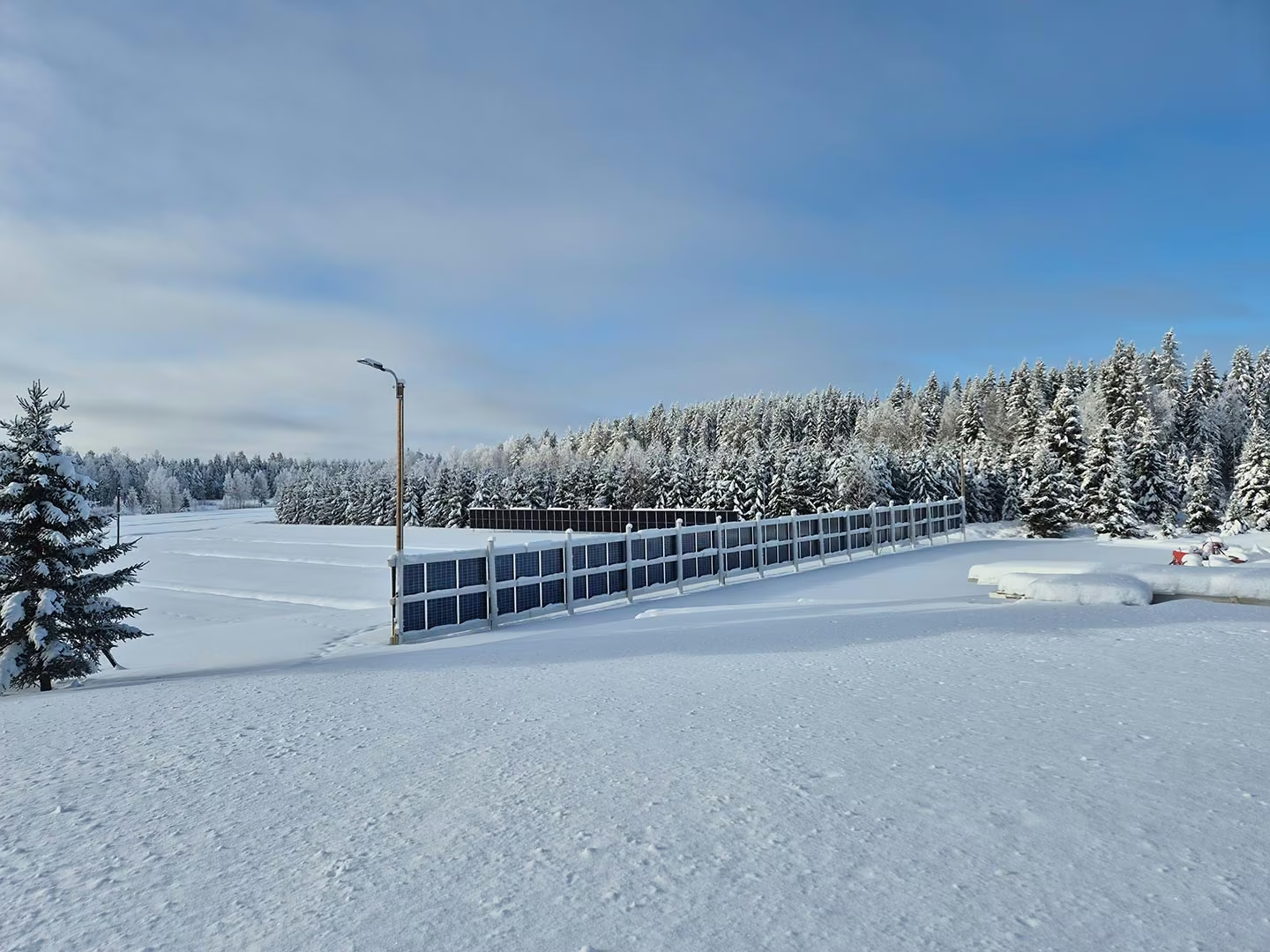
Late February in Muhos: the sun is shining brightly, but the ground is covered in a thick blanket of snow. Usually, this marks a quiet season for solar power plants – panels rest under roofs waiting for the spring melt. But at Eero Marttila’s site, the situation is different. The system, implemented with RAULI WALL mounting brackets, is churning out electricity at near-maximum capacity.
"The "Two-Humped Camel"
In solar design, there is often too much focus on the annual total of kilowatt-hours. Marttila’s strategy is different: maximize Euros, not just units.
“The goal is to maximize the revenue from solar power, not just the kilowatt-hours. Electricity must be produced when it is most needed and when it is most expensive,” Marttila explains.
Electricity prices often form a "two-humped" profile, peaking in the morning and evening. Vertical installation at a 90-degree angle catches the low-hanging morning and afternoon sun significantly better than a low-angled roof installation.
Directions: Where are the "Euros" hidden?
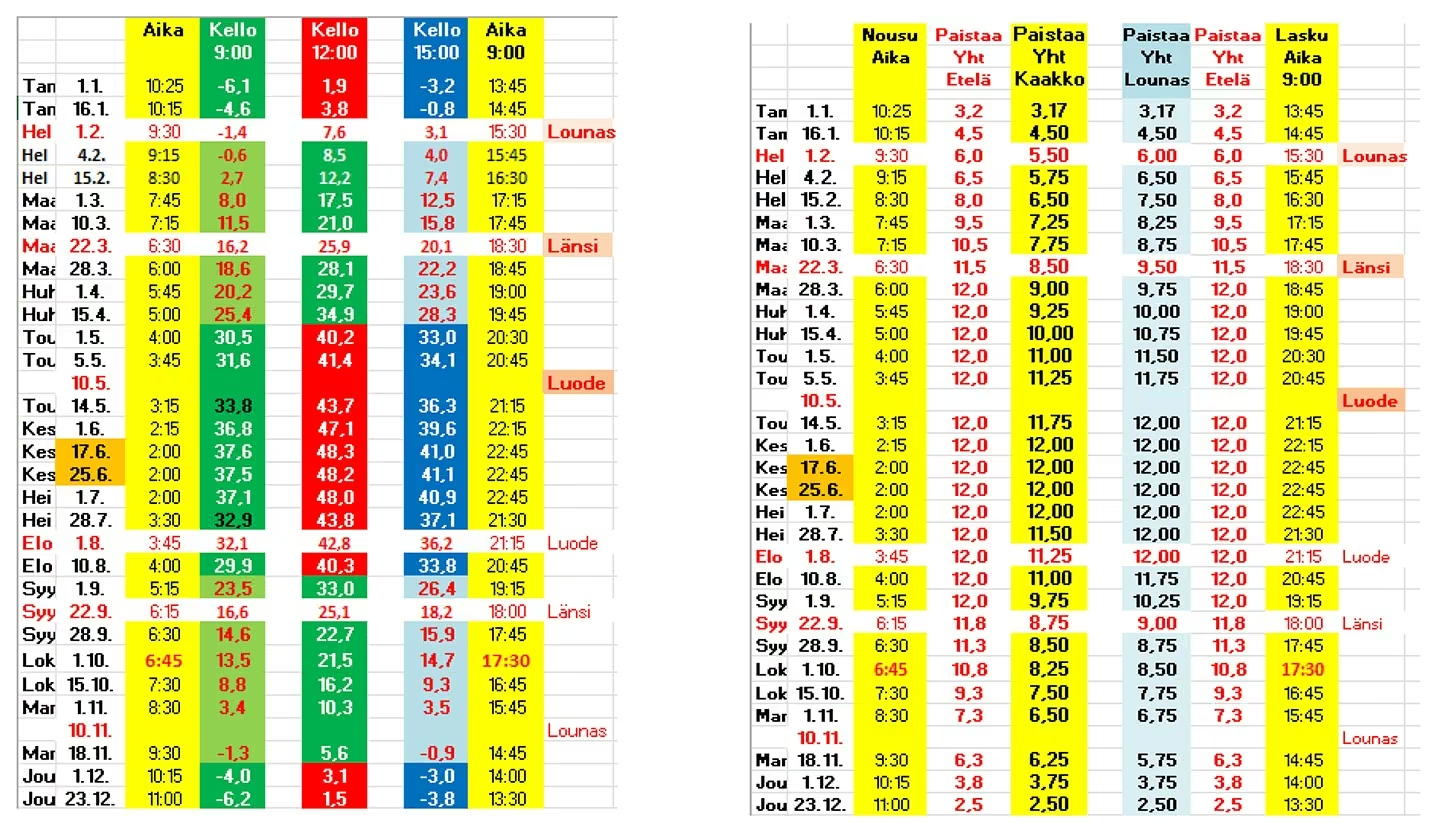
The analysis reveals the biggest advantage of wall mounting: orientation can be used to direct production to hit the most expensive hours of spot-priced electricity.

South: Produces the most at midday, when electricity is often at its cheapest due to oversupply.
Southeast and Southwest: Recommended by Marttila. A southeast-facing wall starts production during the morning price peak, and a southwest-facing wall continues efficiently through the afternoon consumption peak.
East and West: An extreme way to cut the most expensive morning and evening hours.
75% Power in February
Many are surprised by how efficient vertical installation is in winter. Data collected from the Muhos site on February 23, 2026, is striking.

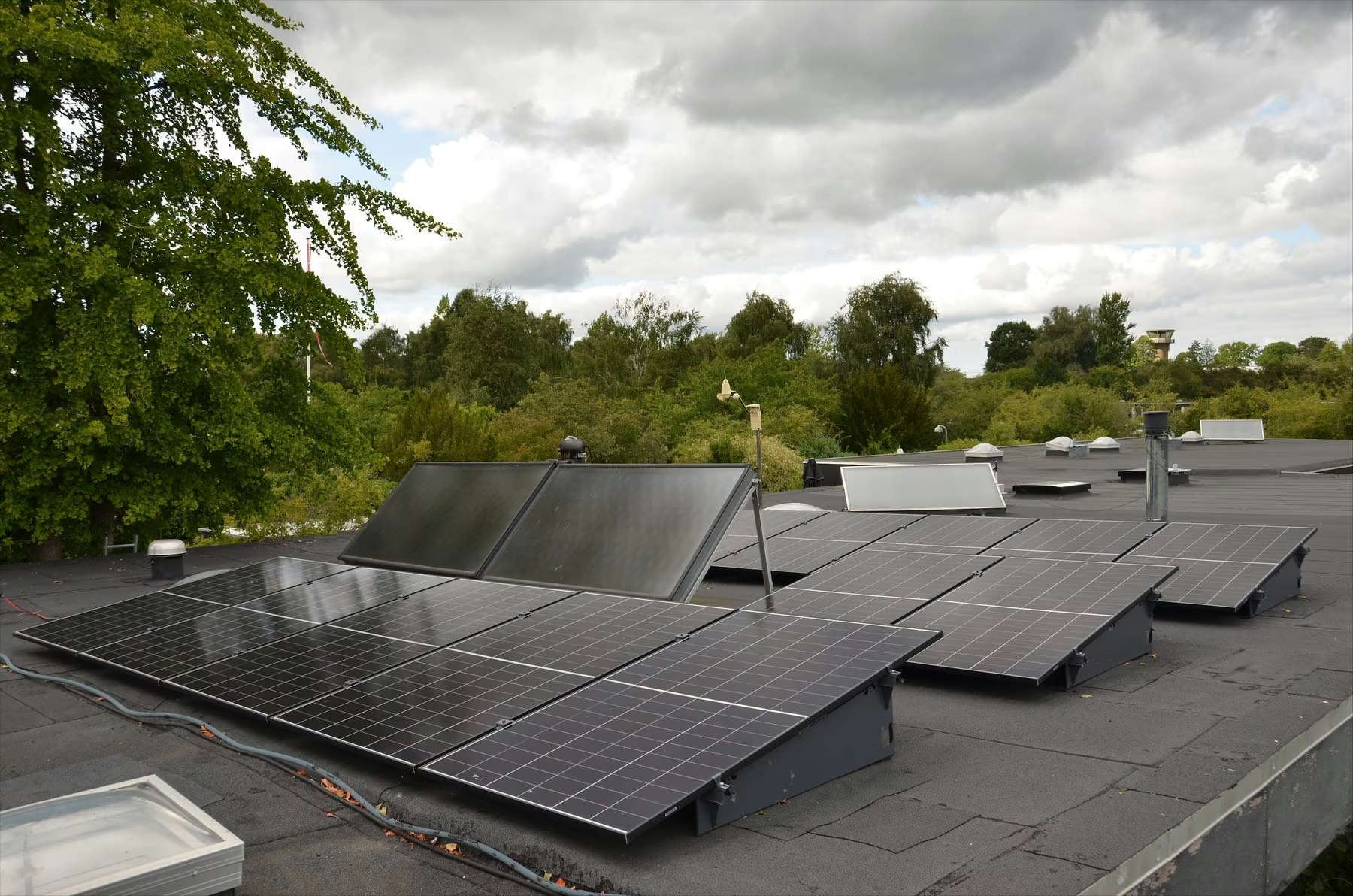
At the same time, the property's 78 roof panels were completely under snow and produced zero watts. According to Marttila, wall mounting beats roof mounting in production at the latitude of Oulu for nearly eight months of the year: from late September to late April.

Secret Weapons of Wall Mounting
Marttila emphasizes that vertical installation benefits from the northern winter in ways many don't consider. In a wall installation, panels stay clean of snow without maintenance, but the snow also benefits the wall through reflection.
“Snow is a wall installation’s best friend. It reflects light from below directly onto the panels. And when the thermometer reads -25 degrees, the panel efficiency increases by over 13%,” Marttila explains.
“No one should be fooling around on the roof”
In addition to technical yield, Marttila highlights a critical factor: safety. Wall mounting eliminates the need for dangerous snow clearing, which Marttila considers an unnecessary risk.
The RAULI WALL system is praised for its installation speed and ergonomics. Thanks to EASY SLIDE, panels slide into place, eliminating physical strain and ensuring the installation is secure from the start.
Summary: Wall-mounted solar is a strategic choice
Eero Marttila’s site in Muhos is living proof that solar power in the north is much more than just a summer hobby. It is calculated structural design, where RAULI WALL acts as a guarantee for durability and fast installation.
Vertical mounting beats the roof from late September to late April.
Save on installation risks: No snow removal from the roof or risk of slipping.
Maximize ROI: Produce electricity when the price is at its highest.
Expert: Eero Marttila, Ibestic Oy.







.png)