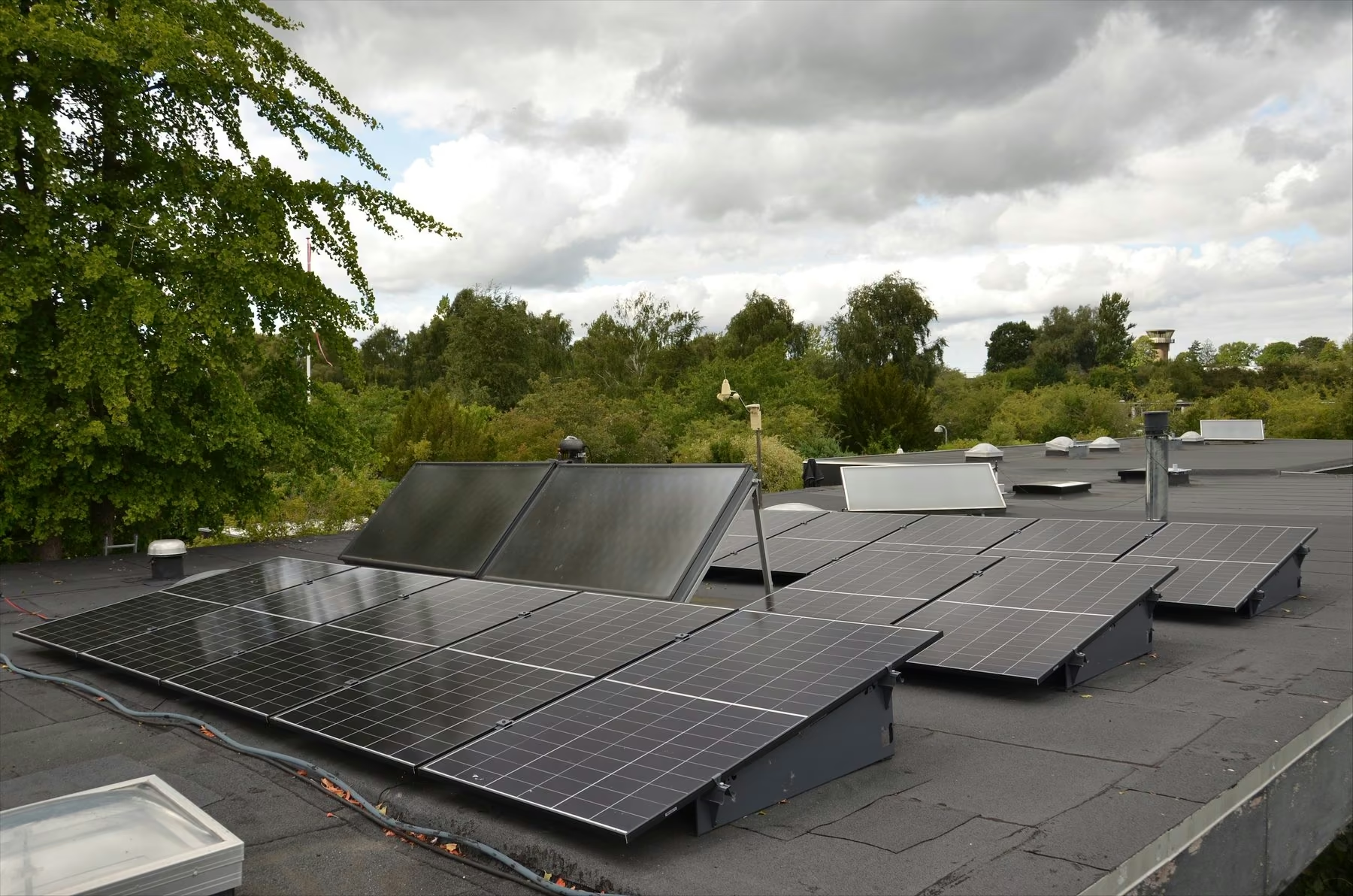
Solar panels installed on flat roofs can sometimes put too much load on the roof surface.
I read several articles about this today, and I completely agree with the concern. It is good that the issue is being discussed in the media.
One article states:
“Solar mounting systems can overload flat roof surfaces. Heavy ballast weights, concrete blocks used to keep the system in place, together with the load on the roof membrane can over time cause dents, water pooling and even damage to the roof.”
As the quote shows, the main problem is usually not the solar panels themselves but the concrete weights placed on top of the mounting system. There is a good reason why ballast is used. Without it the panels doesn't stay on the roof. A few months ago in here Finland was news about a case, where solar panels installed on a flat roof were blown off during strong winds because the attachement to the roof had failed.
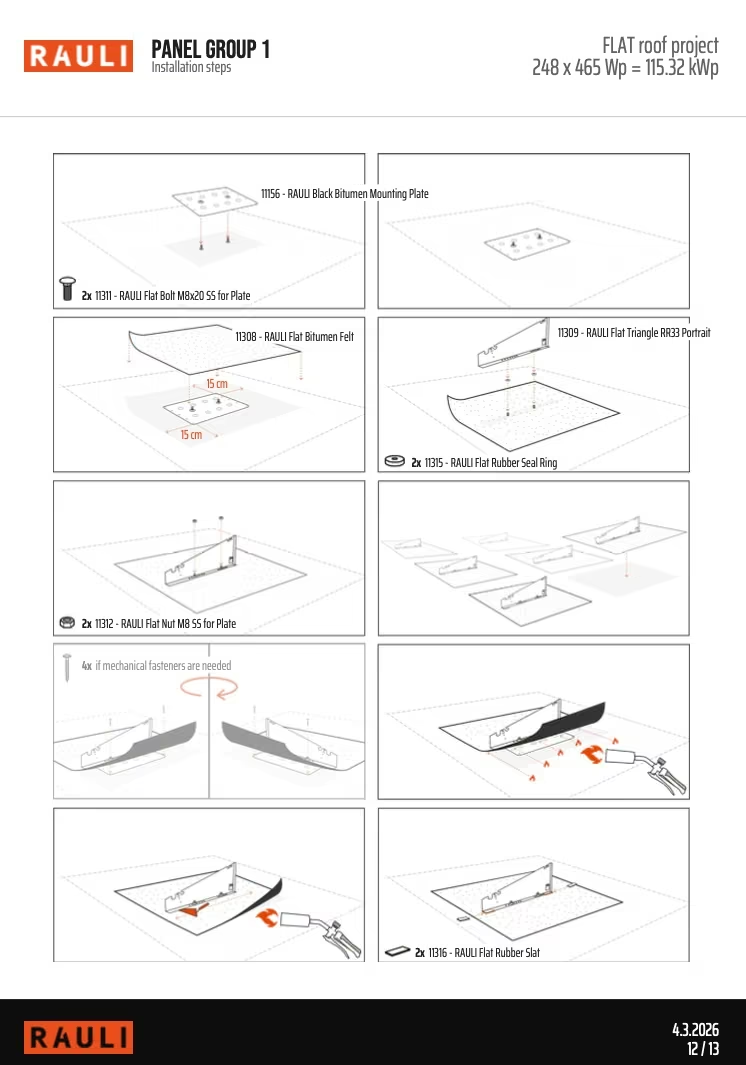
When we started developing RAULI FLAT our goal was exactly to avoid putting unnecessary load on the roof. One of the key innovation was to design the system without concrete weights. RAULI FLAT is attached to the roof by welding, never with concrete ballast.
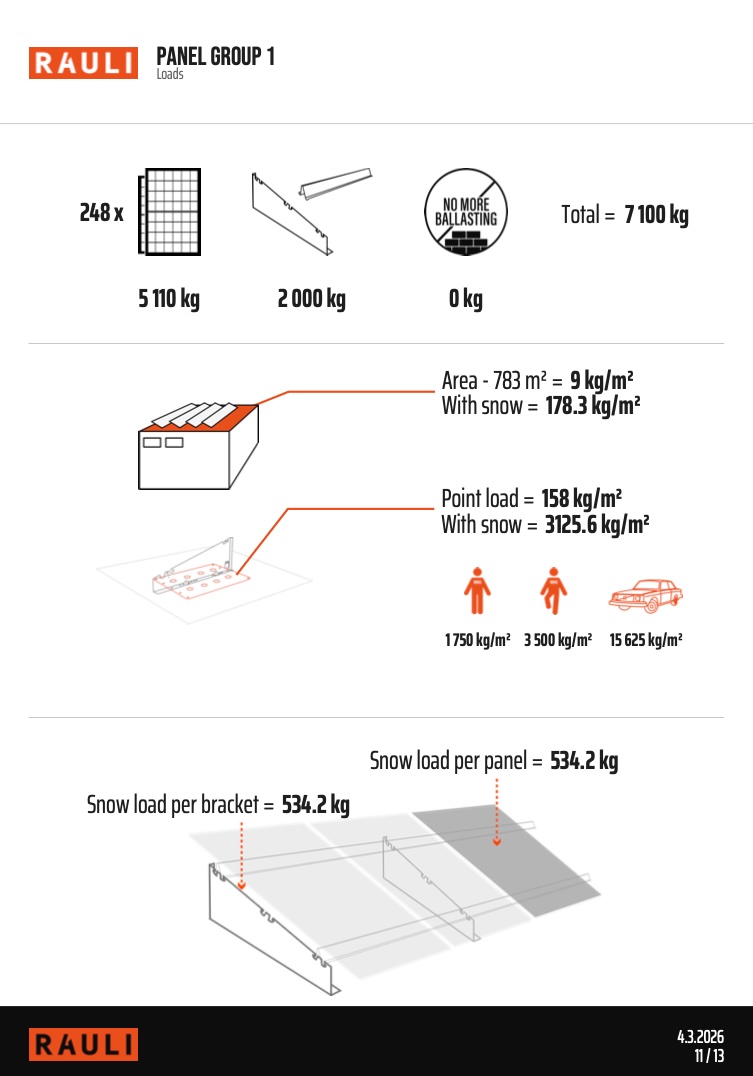
Another very important point is documentation. The RAULI APP design tool shows the load that the system puts on the roof. It also takes the local snow load into account. In most cases the RAULI FLAT point load is about the same as the pressure from the sole of an adult man standing on one foot. If the load becomes too high more fixing points are added so the load spreads over a larger area.
In my opinion it is difficult to find another design tool that gives this level of clarity and reliability. Link in the comments.
I also believe that RAULI FLAT is currently one of the best mounting systems for the snowy conditions in the Nordic countries.






.png)